


Minestrone Soup for Kids: A Gut-Healthy Winter Immunity Recipe
I stopped reaching for vitamin C supplements years ago.
Not because they do not work — they do, somewhat — but because I realised I was focusing on the wrong system entirely. 70-80% of immune cells reside in the gut, which means the foundation for winter resilience lives in your child's digestive system, not in a bottle of orange-flavored chewables.
When my son started getting frequent colds a few winters back, I did what most parents do. I bought the supplements. I pushed the citrus. I waited for her to get better.
Then I started looking at the data on gut health and immune function in children. The maturation of immune cells and the gut microbiome occur simultaneously in early life. They adapt together. When you support one, you strengthen the other. When you ignore gut health, you are building immunity on a weak foundation.
That is when I developed this minestrone soup recipe for kids. It is not trendy. It is not a hack. It is a practical application of what the research shows about gut microbiota and immune resilience in children.
WHY THIS MINESTRONE SOUP FOR KIDS IS AN EASY WIN FOR FAMILY DINNERS
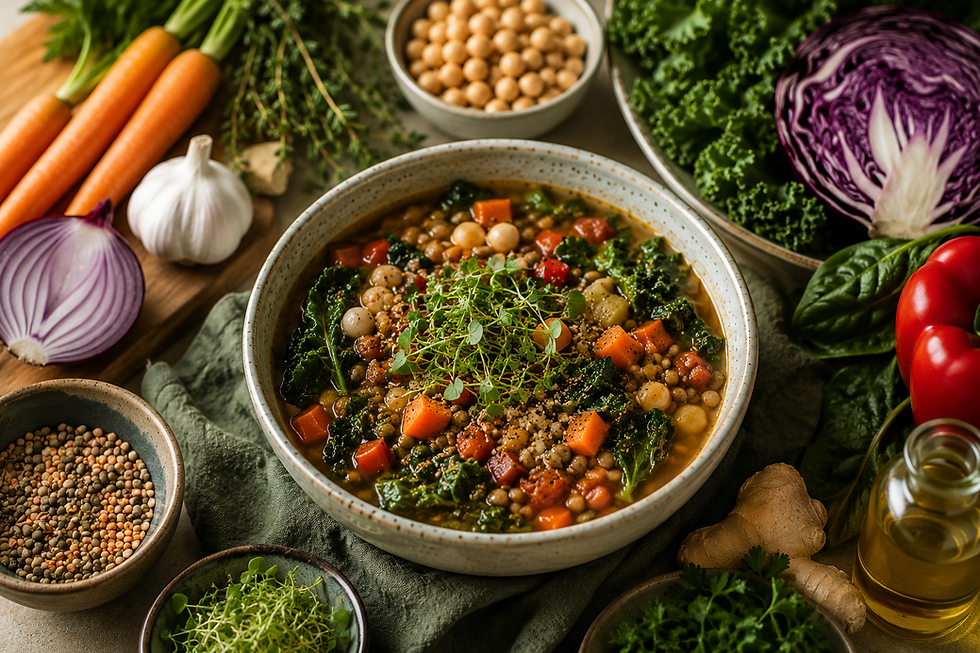
This soup does three things simultaneously: it delivers prebiotic fibre that feeds beneficial gut bacteria, it provides easily digestible nutrients when kids are fighting illness, and it tastes good enough that children actually eat it.
The goal is not to prevent every cold. You cannot do that, and honestly, you should not try. Children's immune systems need exposure to build resilience. What you can do is shorten recovery time and reduce severity by maintaining a diverse, robust gut microbiome.
I make this soup two to three times a month during winter. When I see a cold coming on — the first sniffle, the tired eyes — I make a batch. My son & daughter eat it that night, sleeps better, and bounces back faster than they used to.
The difference is not dramatic. It is consistent. That matters more.
THE 30 PLANT STRATEGY
You have probably heard about eating 30 different plants per week for gut health. It sounds impossible when you are managing picky eaters and busy schedules.
This soup makes it achievable.
Research from the American Gut Project involving over 10,000 participants found that people who consumed 30 or more different plant types per week had significantly more diverse gut microbiomes than those who ate 10 or fewer. Different plant fibres feed different species of beneficial bacteria. More diversity means a more resilient gut ecosystem.
Here is what goes into my base recipe:
Vegetables: Celery, carrots, leeks, onions, garlic, tomatoes (canned or crushed), tomato paste, potatoes
Herbs: Oregano, basil, bay leaves
Additions: Cannellini beans, kale, organic durum wheat pasta (shell-shaped works best)
That is already 14 different plants in one meal! Add the bone broth base, quality bacon for flavour, and Parmesan on top, and you have built a nutrient-dense foundation that children will actually eat.
The herbs count. Parents often forget this. Oregano and basil are not just flavour — they contribute to plant diversity and provide their own prebiotic benefits.

HOW TO MAKE IT
Ingredients:
3-4 ratins of good quality bacon (chopped up)
1 large carrot (chopped)
2 celery stalks (chopped)
1 leak (chopped)
half red onion (chopped)
2-3 garlic cloves (chopped)
2 cans of crushed or whole tomatos (I like one of each)
2 tablespoons of tomato paste
1 tablespoon of oregano
fresh chopped basil
2 bay leaves
1 tablespoon of organic dried veggie stock
2-3 cups of boiling water
1 tablespoon of organic dried bone broth
Step 1: Build the flavour foundation
I start by frying quality bacon in a large pot around med/high heat. Not the sugar-laden, highly processed kind — look for bacon without added sugars or excessive preservatives. You want the protein and the flavour base it creates.
Nutrition is not all or nothing. You can include ingredients that taste good without compromising the nutritional value of the whole dish. Balance matters more than perfection.
Step 2: Add the aromatics
Once the bacon renders, I add finely chopped celery, carrots, leeks, onions, and garlic. The key is chopping everything small — really small. When vegetables are tiny, kids eat them without thinking about it.
These vegetables are not random choices. Onions, garlic, and leeks provide prebiotic fibres that promote the growth of bifidobacteria and lactobacilli, considered beneficial to children's health. They improve gut barrier function and host immunity while reducing potentially pathogenic bacteria.
Add the herbs to get the flavours to combine together.
Step 3: Add tomatoes and herbs
I add canned or crushed tomatoes along with tomato paste, oregano, and basil. Cooking tomatoes actually increases the bioavailability of lycopene, a powerful antioxidant. You are not losing nutrients by cooking — you are making them more accessible.

Step 4: Add the liquid base
This is where the gut health foundation really gets built. I use a combination of vegetable stock and high-quality bone broth.
High-quality matters here. Look for bone broth made from grass-fed beef. The better the source, the more easily your child's body absorbs the beneficial nutrients. Bone broth contains amino acids including glutamine, glycine, and proline that support gut health and intestinal barrier function.
Research shows these components enhance gut health, alleviate inflammation in the intestinal barrier, and improve intestinal barrier function in both health and disease states. Glutamine specifically helps maintain gut barrier function and is consumed by intestinal epithelial cells and activated immune cells for cellular energy.
Step 5: Simmer (do not boil)
I let this simmer for a few hours or the day. Not boil — simmer. The gentle heat preserves beneficial compounds while softening vegetables for easier digestion.
You are not losing nutrients when you simmer in liquid that gets consumed. The nutrients absorb into the broth, making them more easily digestible and absorbable for little tummies. This is especially important for children whose digestive systems are still developing.
Step 6: Add potatoes near the end
About 30 minutes before serving, I add finely chopped potatoes. They need less time than the other vegetables and provide resistant starch that feeds beneficial gut bacteria.
Step 7: Prepare pasta separately
This is critical: cook your pasta separately, al dente, and add it to individual bowls — never to the big batch of soup.
I use organic durum wheat pasta, which costs maybe a dollar more but provides better fibre content and tastes better. Shell shapes work best because kids like them and the shells hold more soup, which means they consume more of the nutrient-rich liquid.
If you add pasta directly to the soup, it gets mushy during storage. Keep it separate.
Step 8: Final additions
Right before serving, I add cannellini beans (already cooked from the can, just need heating) and fresh kale to each bowl. The beans add fibre and plant diversity. The kale would get mushy if simmered all day, so adding it fresh preserves texture and nutrients.
Sprinkle Parmesan on top. Serve alongside homemade sourdough with olive oil if you have it.

STORAGE AND MEAL PLANNING
The soup lasts five days in the refrigerator or up to two weeks in the freezer. Because it is mainly vegetable-based, it holds well.
I portion it into containers at the beginning of the week. On busy Tuesday nights when I am exhausted, I have nutrient-dense food ready to go. That is when this recipe proves its value — not on the day you make it, but on the day you are too tired to cook and would otherwise order takeout.
You can adjust as you go. Different pastas, additional vegetables, more or fewer beans depending on what you have available. The foundation remains the same: diverse plants, bone broth base, gentle cooking that preserves nutrients.

WHAT TO EXPECT
My kids eat this without hesitation. The tomato base is warm and familiar. The pasta makes it fun. The vegetables are so small they do not notice them.
I do not claim this prevents illness. It does not. Both my son and daughter still get the common colds. But when I see symptoms starting and make a batch, the cold does not take as long. The symptoms feel less severe. They sleep better that night because the soup provides fluid to offset what they lose from a runny nose. It helps with chest congestion and coughing. And their energy comes back faster.
That is the realistic outcome. Not prevention — faster recovery. Building the gut bacteria that help children fight illness and get healthier quicker.
Children's immune systems need to encounter viruses to build resilience. You cannot protect them from getting sick. You can increase their immune system's ability to respond effectively.
IF YOUR KIDS REFUSE IT
Some children will not eat this the first time. That is normal.
You can adjust the recipe to be more basic. Reduce certain vegetables. Add vegetables they already accept. Make the pieces even smaller — tiny, almost invisible.
Use fun pasta shapes. Shells work for my daughter, but maybe your child prefers stars or elbows. The shape matters more than you think.
Get them involved in the kitchen. Let them help clean up or chop softer vegetables with a safe knife. When children participate in making food, they are more likely to eat it. They understand what they are consuming instead of viewing it as something foreign.
Do not force it. Offer it alongside something they already like. Let them see you eating it and enjoying it. Children learn by watching more than by being told.

MAKE THIS A HABIT FOR WINTER
Consistency builds resilience. One bowl of soup does not transform gut health. Making this two to three times a month during winter does.
The gut microbiome responds quickly to dietary changes — research shows children's gut microbes can start changing within 24 hours of dietary modifications, with short-chain fatty acid production ramping up by three days. But sustained diversity requires sustained effort.
This is not about perfection. It is about building a foundation that supports your child's immune system when it matters most.
Start with this recipe. Adjust it to fit your family. Make it regularly enough that it becomes normal, not special. That is when you will see the difference.


Comments