


What the Research Actually Says About Olive Oil and Your Health
I have been following the research on olive oil for years now, and the data keeps getting more compelling.
When I work with women in midlife, one of the first shifts I recommend is replacing butter and other saturated fats with extra virgin olive oil. The reason goes far beyond the monounsaturated fat content that most people focus on.
The real power of olive oil sits in its polyphenols — bioactive compounds that act as potent antioxidants and anti-inflammatory agents throughout your body.
Why Extra Virgin Olive Oil Stands Apart
The quality and processing of olive oil matters more than most people realise.
Extra virgin olive oil is minimally processed, which means it retains the highest concentration of beneficial compounds. Refined olive oils lose most of these during processing, leaving you with fat but not the functional benefits.
When I look at the research, the polyphenol content is what separates extra virgin olive oil from other fats. These compounds do not just provide antioxidant protection — they actively modulate inflammation at a cellular level.
The anti-inflammatory effects are comparable to certain medications, which suggests olive oil can serve as a natural dietary intervention for managing chronic inflammatory conditions.
The Gut Health Connection
This is where olive oil becomes particularly relevant to my practice.
Seventy percent of your immune system lives in your gut. The health of your gut microbiome determines how well your body manages inflammation, absorbs nutrients, and maintains metabolic function.
Olive oil's polyphenols support the growth of beneficial gut bacteria and improve gut barrier function. When your gut barrier is strong, you reduce systemic inflammation and improve immunity.
I see this pattern repeatedly with clients — when we prioritise gut health through diverse plant foods, fibre, and quality fats like olive oil, their overall resilience improves. They recover faster from illness, experience less chronic inflammation, and report better energy levels.
The gut-brain axis research reinforces this. Your gut microbiome influences not just physical health but mental clarity and mood regulation as well.
Cardiovascular Benefits That Go Beyond Cholesterol
The cardiovascular research on olive oil is extensive.
Regular consumption of extra virgin olive oil improves cholesterol profiles by increasing HDL (the protective cholesterol) and reducing LDL oxidation. But the benefits extend further.
Olive oil improves endothelial function — the health of the cells lining your blood vessels. This translates to better blood pressure regulation and reduced risk of heart disease and stroke.
The Mediterranean diet studies consistently show that populations consuming high amounts of olive oil have lower rates of cardiovascular disease. The mechanism is not just about replacing saturated fats — it is about the active compounds in olive oil providing protective effects.
Inflammation Control in Midlife Women
For women in perimenopause and menopause, inflammation becomes a central concern.
As oestrogen declines, inflammatory markers tend to rise. This contributes to metabolic changes, increased insulin resistance, and greater risk of chronic disease.
The polyphenols in olive oil help counteract this inflammatory shift. They modulate the same pathways that become disregulated during hormonal transition.
I recommend olive oil as part of a broader anti-inflammatory nutrition strategy that includes diverse plant foods, adequate protein, and fibre. The combination supports gut health, which in turn regulates inflammation and hormone metabolism.
In perimenopause, fibre helps support stable oestrogen clearance and balance. Olive oil provides the healthy fats needed for hormone production and cellular function.
How Olive Oil Supports Metabolic Health
The metabolic benefits of olive oil are particularly relevant for women experiencing insulin resistance.
Insulin resistance can start in your twenties but often does not show up until your forties, particularly during perimenopause. When a woman has normal fasting glucose but symptoms like fatigue, weight gain, and cravings, I often suspect early insulin resistance.
Olive oil improves insulin sensitivity and metabolic flexibility. The polyphenols help reduce the chronic inflammatory state that underpins insulin resistance and metabolic dysfunction.
This is not about quick fixes. It is about building metabolic resilience through consistent, evidence-based nutrition choices.
The Microbiome-Metabolism Link
Gut health is not separate from metabolism — it is one of the control centres.
An imbalanced microbiome influences post-meal glucose responses and drives cravings for quick-energy foods, feeding the insulin cycle. Lower microbiome diversity reduces production of beneficial metabolites like short-chain fatty acids, which normally help regulate glucose control and insulin sensitivity.
Olive oil supports microbiome diversity by providing polyphenols that beneficial bacteria thrive on. When you pair olive oil with fibre-rich plant foods, you create an environment that supports both gut integrity and metabolic stability.
This is why I always emphasise the combination — protein, fibre, and healthy fats like olive oil at every meal. The synergy matters more than any single component.
Choosing a High-Quality Extra Virgin Olive Oil
To get the most health benefits from extra virgin olive oil, choose one in a dark glass bottle or tin to protect it from light, and look for the most recent harvest date or freshest bottle available.
Once opened, keep the lid tightly closed and store it in a cool, dark pantry away from heat and sunlight. Light, oxygen, and heat gradually reduce the beneficial polyphenols and antioxidants that make extra virgin olive oil so good for your health, so it's best to use an opened bottle within 1–2 months for maximum flavour and nutritional value.

Practical Application in Real Life
I use olive oil daily in my own kitchen and recommend it to every client.
I stay away from butter because it is high in saturated fat, and olive oil gives my family more of the good fats for brain health and overall function.
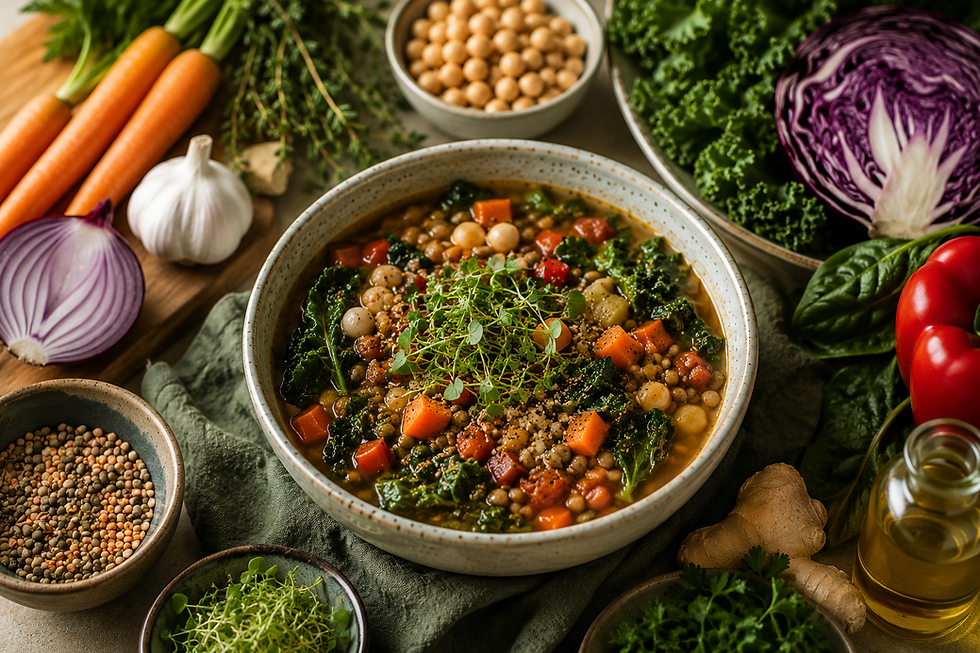
When I am making soups, stews, or roasted vegetables, I always finish with a drizzle of extra virgin olive oil. It adds flavour and delivers those beneficial polyphenols.
The key is consistency. Olive oil is not a supplement you take occasionally — it is a foundational fat you incorporate into your daily eating pattern.
For women in midlife, this becomes even more important. Your body is more sensitive to inflammatory triggers, and you need every tool available to support resilience and metabolic health.
What the Research Tells Us About Longevity
The longevity research on olive oil is compelling.
Populations that consume olive oil as a primary fat source consistently show lower rates of chronic disease and longer health spans. This is not just correlation — the mechanisms are well understood.
Olive oil reduces oxidative stress, supports cellular health, and modulates inflammation — all factors that contribute to healthy aging.
The Mediterranean diet, with olive oil as a cornerstone, represents one of the most studied dietary patterns for longevity and disease prevention.
Quality Matters More Than You Think
Not all olive oil is created equal.
Extra virgin olive oil from reputable sources provides the highest polyphenol content. Look for oils that are cold-pressed, stored in dark glass bottles, and used within a reasonable timeframe.
Refined olive oils and "light" olive oils have been processed in ways that strip out the beneficial compounds. You are left with fat but not the functional benefits that make olive oil worth prioritising.
Invest in quality extra virgin olive oil. The difference in health outcomes justifies the cost.
The Bottom Line
Olive oil is not just a cooking fat — it is a functional food with documented health benefits.
The research supports its role in cardiovascular health, gut microbiome support, inflammation control, and metabolic function. For women in midlife, these benefits become particularly relevant as hormonal changes increase vulnerability to chronic disease.
I recommend extra virgin olive oil as part of a broader nutrition strategy that includes diverse plant foods, adequate protein, fibre, and the other three pillars — lifestyle, sleep, and stress management.
Food is infrastructure, not decoration. Olive oil is one of the foundational fats that supports your body through every life stage.
Start using it daily. Your gut, your heart, and your metabolic health will respond.



Comments